
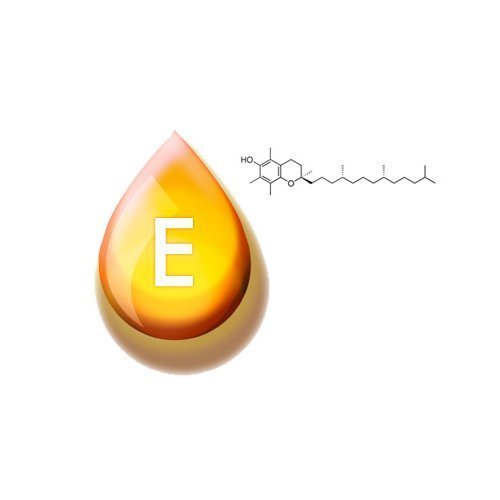
Vitamin E is a fat-soluble vitamin and a powerful antioxidant that protects cells from damage caused by free radicals in the body. It is found only in plant-based foods, including vegetable oils, nuts, seeds, and grains. Research has shown that, when combined with omega-3 fatty acids, vitamin E may help improve verbal apraxia of speech disorders. Vitamin E stabilises glutamate receptors and reduces excitotoxicity associated with elevated glutamate levels in the brain.
🧠 Vitamin E and Verbal Apraxia in Autism
Verbal apraxia is a neurological speech disorder of unknown origin that is common among individuals with Autism Spectrum Disorders (ASD). A deficiency in vitamin E can cause symptoms that overlap with verbal apraxia, such as difficulties in coordinating speech movements.
Polyunsaturated fatty acids (PUFAs) in cell membranes are highly susceptible to lipid peroxidation and can be quickly destroyed if vitamin E is not readily available. This damage may lead to neurological consequences. Gastrointestinal inflammation and nutrient malabsorption — including vitamin E and carnitine — may further contribute to neurological disorders.
📊 Prevalence in Autism
Verbal apraxia is widespread in autism, with up to 50% of autistic children experiencing it. Studies suggest that multiple developmental disorders, including ADHD, dyslexia, autism, and apraxia, may be associated with deficiencies in omega-3 fatty acids and vitamin E.
Research Findings
In a study by Dr. Jill James, a common clinical phenotype was identified among children with autism:
- Male predominance,
- Sensory processing issues,
- Low muscle tone,
- Coordination difficulties,
- Food allergies,
- Gastrointestinal inflammation.
In total, 97% of 181 families reported significant improvements in multiple areas — including speech, coordination, eye contact, behaviour, sensory issues, and pain perception — after targeted nutritional interventions that included vitamin E and omega-3 supplementation.
⚠️ Safety Considerations
Since vitamin E is fat-soluble, the body stores it, and there is a safe upper limit to its daily intake. High doses may have mild blood-thinning effects, increasing the risk of easy bruising or bleeding.
Important: Always consult a qualified biomedical or functional medicine practitioner before starting vitamin E supplementation for a child.
📚 Selected Scientific References
- Brigelius-Flohé R, Traber MG. Vitamin E: Function and metabolism. FASEB J. 1999;13(10):1145-1155. DOI: 10.1096/fasebj.13.10.1145
- Eapen V
 Planet of Health Organisation
Leave a comment